
Why the Conservative Party Lost: What They Forgot—and Who They Left Behind
by kenrdrysdale
The 2025 federal election is over—and once again, the Conservative Party of Canada has failed to seize victory, despite an energized base and a deeply unpopular Liberal government. But why? Was it bad luck, poor polling, or strategic missteps? In this post, we’ll take a hard look at what really went wrong.
You Will Not See This Anywhere Else!
At the heart of this analysis is a consideration of core conservative values—ranging from fiscal responsibility to gun rights, parental authority, and perhaps the most defining issue of our time: accountability for the government’s unprecedented COVID-19 overreach.
We’ll break down which of these core principles the Conservative campaign embraced, which it downplayed, and—most critically—which it ignored altogether. The answers may surprise you. And they may explain not just why the Conservatives lost—but where the movement must go next.
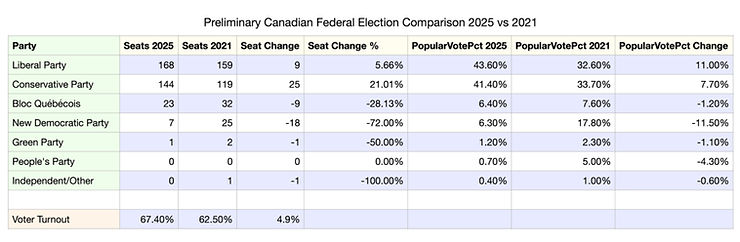
First, here are the results as of April 29, 2025 at around 12:00 pm Central (from Elections Canada Live Stats)
Top Headlines are:
-
Liberal Party Secures Minority Government with 168 Seats (170 needed for a majority)
-
Coalition Needed for Majority as Liberals Fall Short
-
Pierre Poilievre Loses Seat in Major Conservative Upset
-
Jagmeet Singh Ousted from Parliament in NDP Collapse
-
Johnathan Pedneault’s loss highlighted the Green Party’s challenges
-
East Coast and Quebec Propel Liberals to Victory
-
NDP Loses Official Party Status After Severe Losses
-
Conservatives Gain 25 Seats, Still Trail Liberals
Analysis and Commentary
Before diving into the full analysis, let me make one thing unmistakably clear.
This conclusion doesn’t come from theory—it comes from firsthand experience. After travelling coast to coast with the National Citizens Inquiry, I’ve spoken with thousands of Canadians. And the truth is stark:
Canadians are angry. They are afraid. They feel betrayed.
They’ve lost faith—not just in government, but in every institution that once claimed to serve them. And why? Because of the utterly incompetent leadership we’ve endured.
Or worse—because of a political class that is either blind to, or contemptuous of, who Canadians really are.
This is the real story of the 2025 Federal Election.
Not one of the major parties—not their leaders, not their strategists, not their smug think tanks—understood the mood of the people.They misread the moment.They underestimated the pain.
And they paid the price.
The 2025 Canadian Federal Election saw surprising outcomes, with the Liberal Party gaining seats despite past struggles and Pierre Poilievre losing his own seat. Here’s why, based on early analyses:
Liberal Party’s Seat Gains
The Liberals likely gained seats due to several factors.
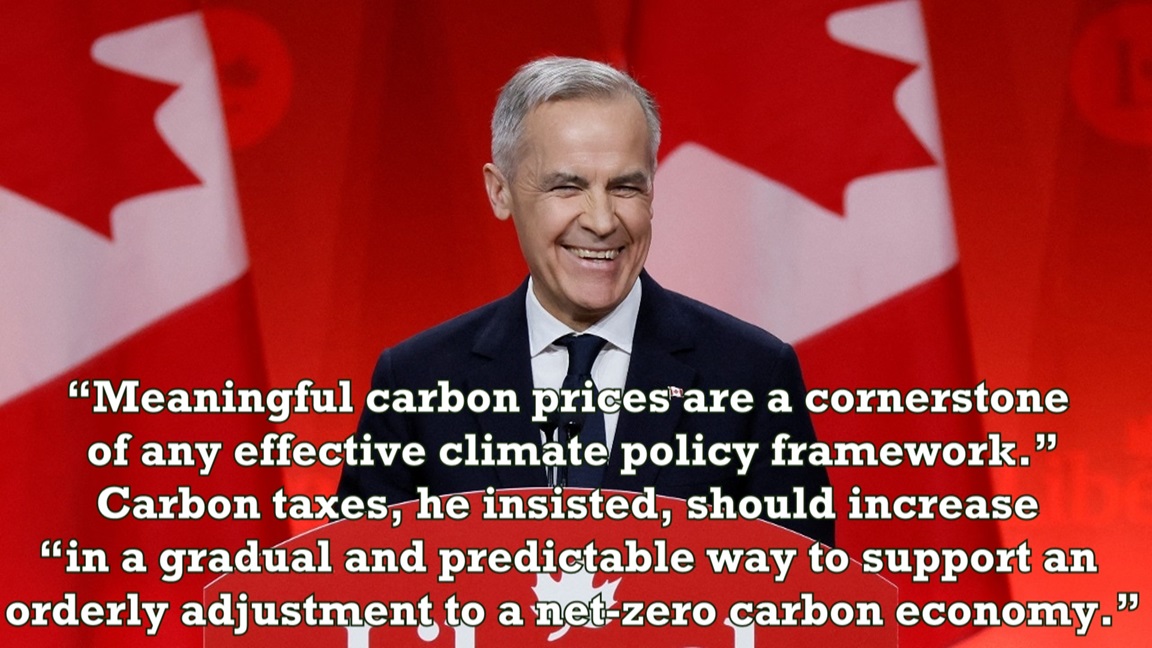
First, Justin Trudeau’s resignation in January 2025 allowed Mark Carney to take over, refreshing the party’s image and appealing to voters tired of Trudeau.
Second, Donald Trump’s policies, like tariffs and threats to Canadian sovereignty, rallied voters to see the Liberals as better defenders of Canada, especially in regions like Atlantic Canada.
Third, the Liberals ditched the unpopular carbon tax, which helped them regain support. These changes seem to have shifted voter sentiment in their favor, even with their past poor performance.
Canadians were exhausted—fed up with Trudeau and the entrenched political elite across party lines.
So much so, that many were willing to embrace any change, hoping it might bring relief.
But here’s the hard truth: swapping out the face at the top while leaving the same corrupt machinery in place isn’t real change—it’s camouflage. The very architects of the failed, destructive policies of the last decade are still in power, untouched and unaccountable.
And now, with someone arguably more competent—and far more calculating—at the helm, the danger is even greater.
The Liberal agenda hasn’t been abandoned. It’s been repackaged, and if we’re not vigilant, it may advance with greater speed and efficiency than ever before.
Canada cannot afford to be fooled again.